Miu Miu





Miu Miu Eyeglasses – Iconic Design and Contemporary Aesthetic Research
Miu Miu eyeglasses represent an experimental and sophisticated take on contemporary eyewear, where design becomes both an aesthetic and functional language. The frames are designed to integrate with prescription lenses available upon request, maintaining a balance between visual identity and everyday comfort. Bold lines, refined details, and unconventional proportions define a collection designed to accompany real life through work, city living, and constant movement.
Distinctive Features
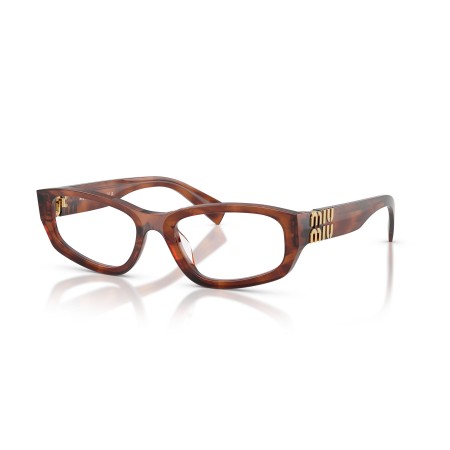
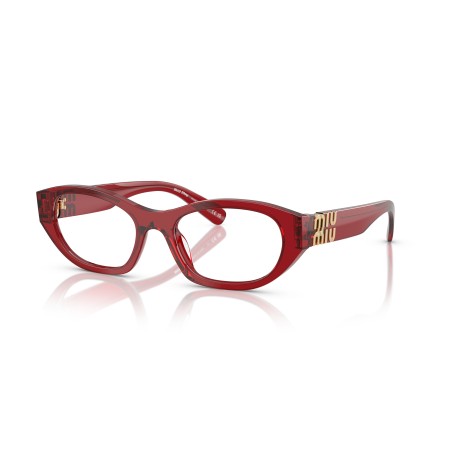
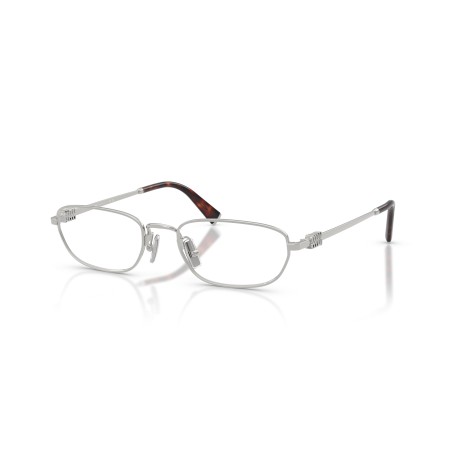
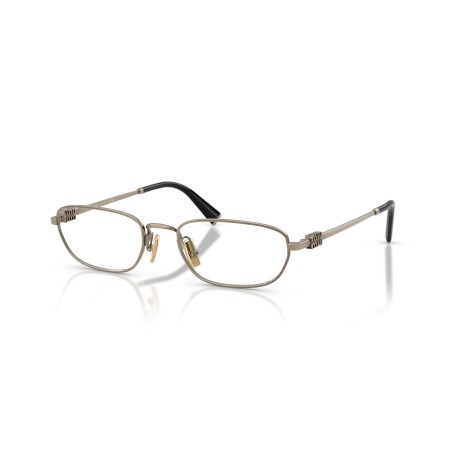
Miu Miu frames are distinguished by a design approach that interprets eyewear as an architectural element of the face. Shapes range from sharp geometries to softer, rounded profiles, creating a stylistic tension that makes each model recognizable without being rigid. The brand's elegant frames are developed using selected materials such as structured acetate and lightweight metals, with craftsmanship that balances solidity and lightness. The availability of prescription lenses, applicable to the frames, allows for a complete transformation of the eyewear into a tool for fluid and natural daily vision. The geometries are designed to adapt to different visual needs: some configurations prioritize a wider field of vision in the frontal area, while others favor greater lateral stability during dynamic activities. This makes Miu Miu exclusive design eyeglasses suitable for various contexts such as the office, prolonged study, and urban commuting. Acetate versions offer a more substantial and enveloping structure, with a more stable weight distribution on the face, while lightweight metal variants reduce the material perception of the frame, promoting a more discreet visual effect. This duality allows for a choice between a strong aesthetic presence or a more essential solution, always maintaining a balance between comfort and continuous use. In real-world scenarios, the difference between these solutions is most noticeable during extended wear. More structured frames tend to provide greater stability on long days, while lighter ones are more fluid for constant movement and changes in environment. In both cases, compatibility with prescription lenses allows for consistent visual management between close-up and intermediate vision, reducing perceptual discontinuity in daily activities.
Style and Differentiation
The aesthetic language of Miu Miu eyeglasses occupies a space of tension between experimentation and formal control. The frames do not follow a single stylistic direction but alternate strong graphic elements with more minimalist solutions, creating a dynamic balance between expression and functionality. This approach makes each model part of a coherent yet non-repetitive visual system. The elegant frames are distinguished by their ability to maintain a strong identity without being intrusive on the face. The final effect is never neutral, but neither is it excessive: a calibrated visual presence that integrates with various usage contexts. The brand's exclusive design eyeglasses thus navigate between controlled sobriety and stylistic accentuation, offering a broad interpretive range without losing recognizability. Differentiation from other contemporary eyewear languages is based on a more experimental construction of proportions. Where other brands favor classic balance or linear minimalism, Miu Miu introduces variations in thickness, angles, and volumes that alter the perception of the face without compromising overall functionality.
Real-World Experience and Integration into Daily Life
In daily life, Miu Miu eyeglasses fit into a visual routine that alternates between static and dynamic moments. During prolonged computer use, more regular geometries promote visual stability, reducing the need for constant micro-adjustments of gaze. In contrast, during activities on the move, softer shapes accompany the transition between environments with greater perceptual fluidity. The choice between acetate and metal becomes particularly relevant in managing the entire day. Acetate offers a sense of structure that aids the perception of stability during prolonged use, while metal reduces the perceived weight and is more suitable for dynamic and less predictable contexts. This difference is not just aesthetic but directly impacts the continuity of the visual experience. A central element concerns how shapes influence visual posture. Frames with more defined profiles tend to guide the gaze more stably along the frontal axis, while rounded configurations allow for greater freedom of lateral movement. This translates into a different interaction with screens, documents, and open environments. In the urban landscape, Miu Miu glasses act as an adaptive element. Variable light, changes in environment, and the discontinuous rhythms of the day require frames capable of maintaining coherence without rigidity. The brand's structure responds to this need through a balance between visual presence and functional lightness. In the daily choice between different models, a decisive aspect emerges: the relationship between intensity of use and frame type. Those who spend many hours in digital environments tend to benefit from more stable and defined structures, while those who frequently alternate between indoor and outdoor contexts find greater continuity in lighter, less invasive versions. This distinction is not aesthetic but functional, linked to how the eyewear integrates into the real rhythms of the day.
Integrated Real-World Decision-Making Scenarios
The selection of a Miu Miu frame is based not only on visual impact but on compatibility with one's routine. In structured professional environments, where concentration is prolonged and the gaze often remains oriented on static surfaces, more regular and balanced shapes offer a more stable sense of continuity. In contrast, in contexts characterized by frequent movement, changes in light, and rapid interactions, lighter and more dynamic configurations allow for less constrained management of visual perception. Within this balance also lies the relationship between minimalism and stylistic presence. Some frames approach a more discreet language, almost transparent in frontal perception, while others take a more prominent role in defining facial expression. The choice between these two directions depends on the need for integration or visual characterization within daily life.
Materials, Comfort, and Prolonged Perception
The perceived quality of Miu Miu eyeglasses depends heavily on the interaction between materials and geometric structure. Acetate, thanks to its controlled density, tends to distribute contact evenly on the face, contributing to a sense of stability during prolonged use. Lightweight metal, on the other hand, reduces perceived load and allows for greater freedom of movement. Over time, this difference becomes particularly relevant on extended days, where continuity of use directly influences the perception of comfort. The frame is not perceived as an isolated element but as an integrated part of daily visual behavior, in constant dialogue with the activities performed.
Outfit Compatibility and Aesthetic Continuity
Miu Miu frames fit into a broad stylistic range, adapting to contemporary wardrobes characterized by an alternation between formality and urban casualness. More essential lines integrate easily into professional settings, while more expressive configurations find space in creative or informal environments. The brand's aesthetic continuity is based on its ability to maintain recognizability without rigidity. This allows the exclusive design eyeglasses to function as a stable element over time, regardless of personal or contextual stylistic variations.
Functional Synthesis of the Miu Miu Approach
The identity of Miu Miu eyeglasses is built on the balance between aesthetic experimentation and functional adaptability. The elegant frames are not designed as isolated objects but as visual devices integrated into daily life. The possibility of applying prescription lenses allows each model to be transformed into a complete solution for daily vision, maintaining coherence between form, comfort, and continuity of use in diverse environments, from work to urban commuting.