Size guide
Find the perfect size for your face
Choosing the ideal frame for your new sunglasses or eyeglasses is a matter of millimeters: a perfect balance between style, everyday comfort, and correct vision. The right size glasses should rest on the nose without squeezing, remain stable on the ears, and perfectly center your gaze over the lenses, ensuring visual comfort that lasts all day.
Here are two foolproof methods to find your ideal size in just a few seconds.
"Choosing the size is the first step, but our know-how ensures that every millimeter is in the right place."
- Measure your face
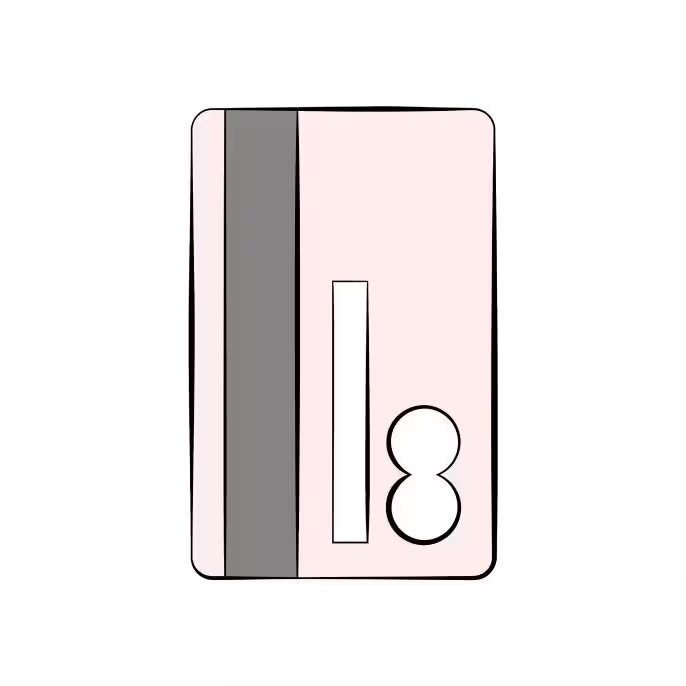
1 - Get a credit card
Get a credit, debit, or loyalty card.
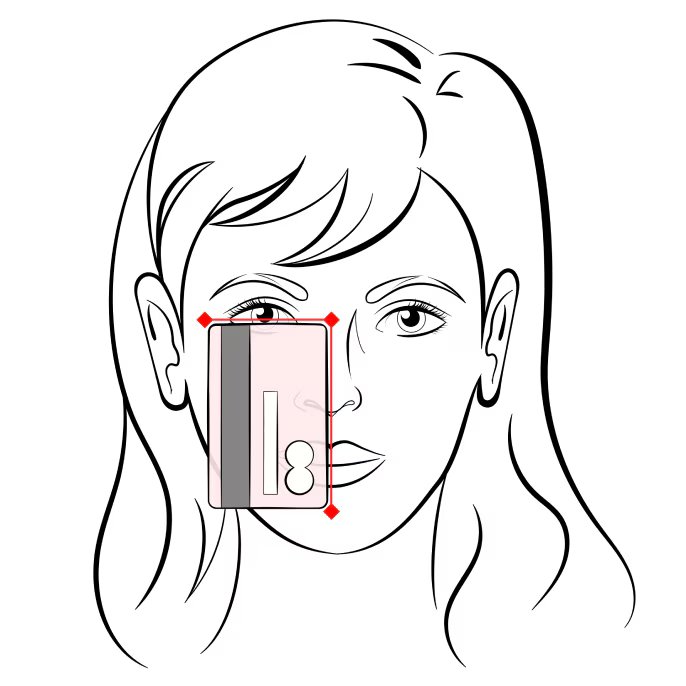
2 - Stand in front of a mirror.
Place the card close to your face, aligning one edge with the center of your nose.
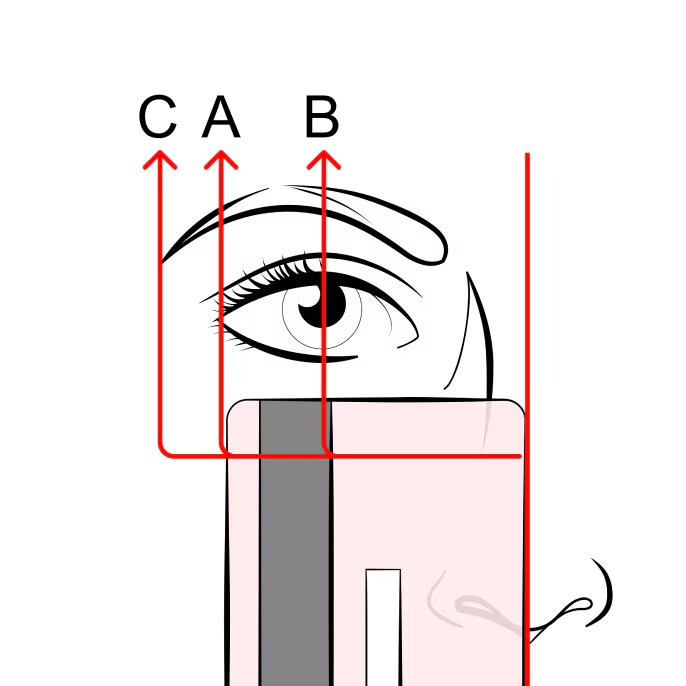
3 - Check the position of the paper
The measurement is determined by marking the point where the opposite edge of the card aligns with your eye.
A - Medium size (suitable for most people)
If the edge of the card aligns with the outer corner of your eye. This corresponds approximately to the following eye sizes: 51-52-53-54
B - Large size
If the edge of the card is between the outer corner and the center of your eye. This corresponds approximately to the following eye sizes: 55-56-57-58
C - Small size
If the edge of the card extends beyond the outer corner of your eye. Approximately corresponds to the following sizes: 47-48-49-50
- Compare the measurements with your glasses
If you already have a pair of glasses that you feel comfortable with, the solution is literally written on the frame.
Check the inside of the temples: you'll find a series of small numbers engraved (for example: 52 18 140).
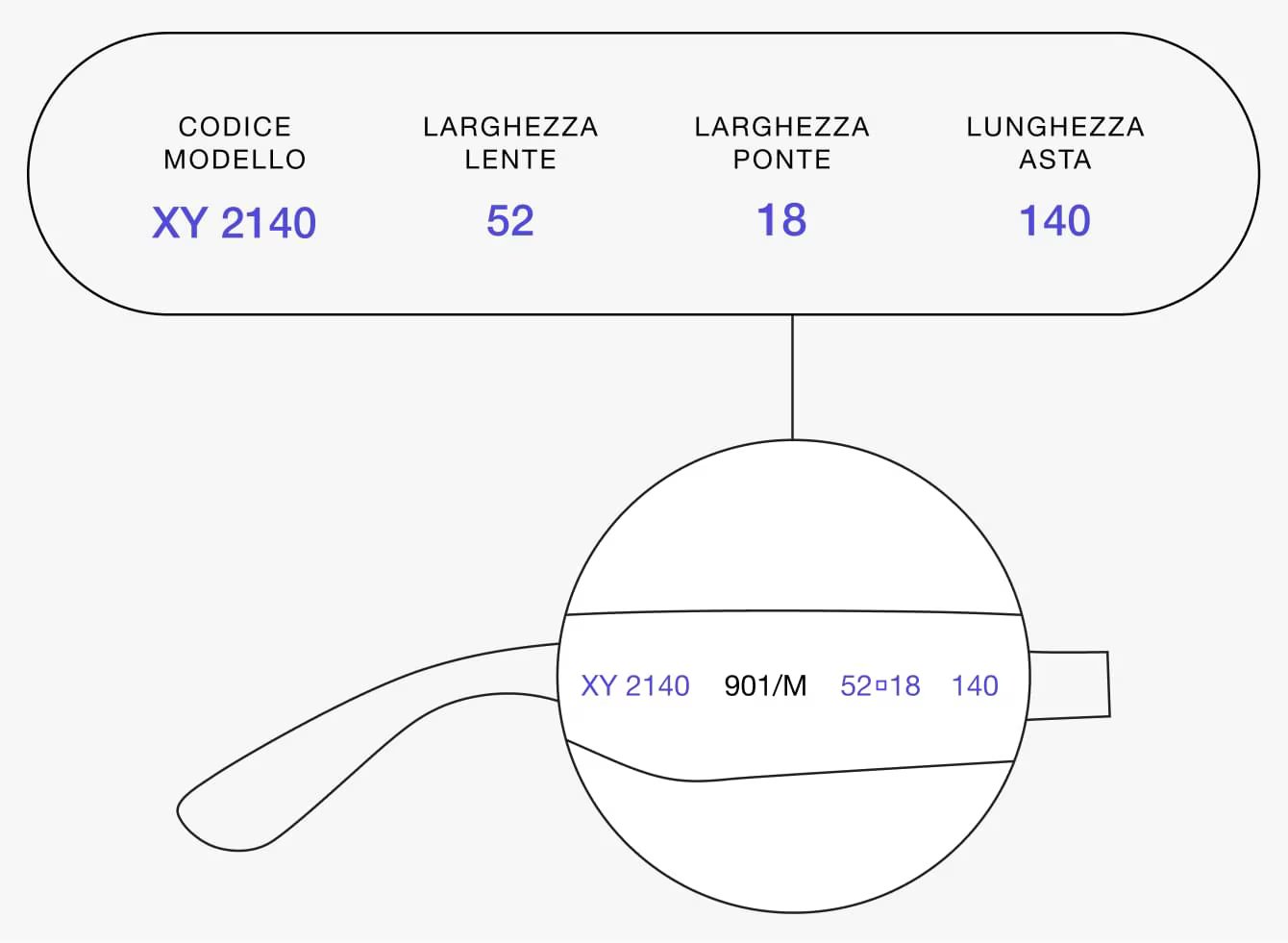
The first alphanumeric code indicates the model code (e.g., XY 2140), then we have:
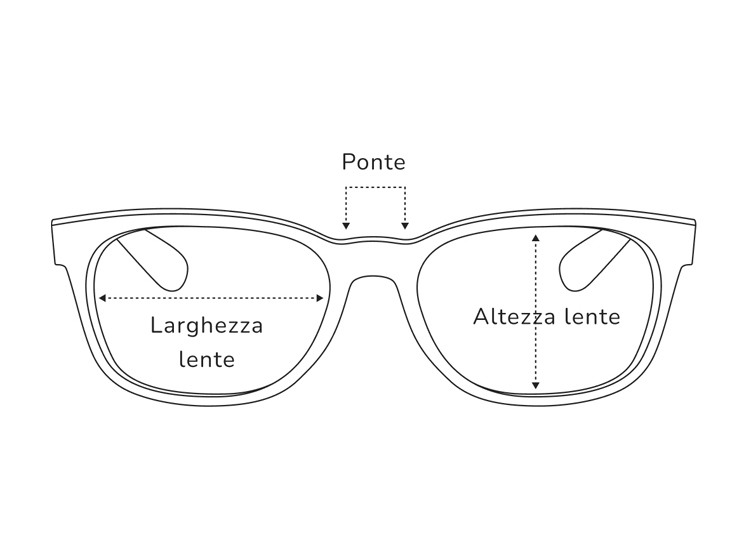
- The lens width (caliber): indicates the horizontal width of a single lens. This is the value that determines whether the glasses are Large, Medium, or Small.
- Bridge width: represents the space between the two lenses. It is essential to ensure that the glasses do not slip on the nose.
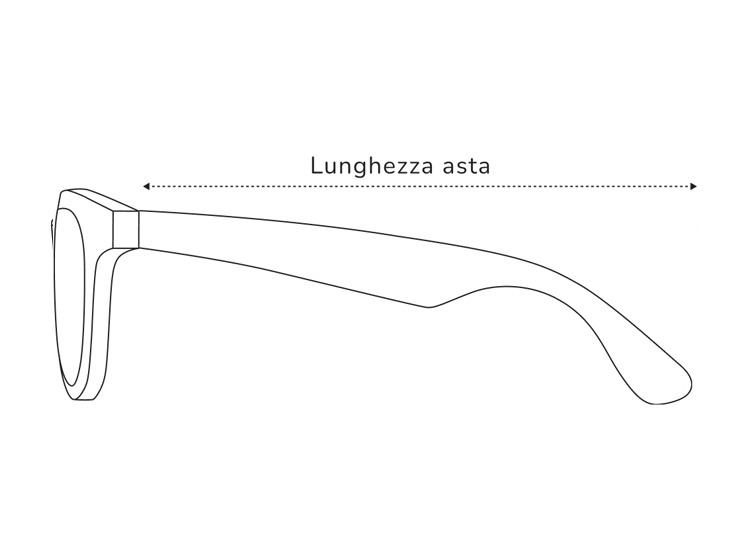
- Temple length: indicates the total length of the temple, from where it attaches to the frame to the tip.
Each of these numbers is measured in mm.
Comparing these values with those shown in our product sheets will ensure a familiar and comfortable fit.