Vision Impairments Guide: Recognizing the signs and restoring well-being
Having trouble seeing road signs? Struggling to read messages on your smartphone? You’re not alone. Vision changes over time, and that’s perfectly normal. In this guide, we explore the primary vision conditions to help you understand what’s happening to your eyes and how to get back to seeing the world in high definition.
Seeing well isn’t just about distinguishing images; it’s about living with energy and comfort. Often, small daily annoyances are underestimated, but they could be signs of an uncorrected vision defect. Learning to interpret our eyes' messages is the first step toward long-lasting well-being.
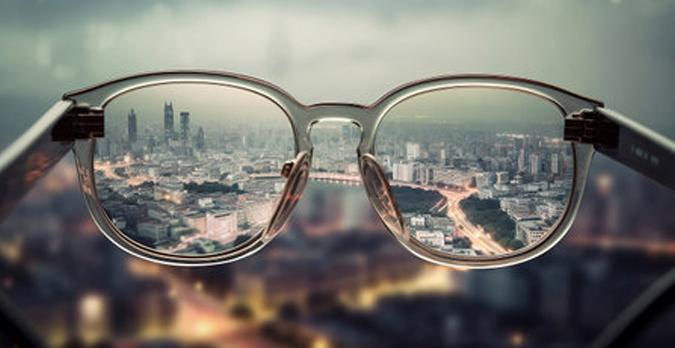
Myopia: Does the distant world feel like a memory?
If you squint to watch TV or if the whiteboard at school is just a blur of spots, you are likely myopic (nearsighted). It’s the most common vision defect, but correcting it today is easier (and more stylish) than ever.
Discover how to treat myopia
Hyperopia: When the effort takes its toll.
Often confused with presbyopia, hyperopia (farsightedness) makes focusing difficult, especially up close. If you have tired eyes or headaches at the end of the day, the solution might be simpler than you think.
Everything about hyperopia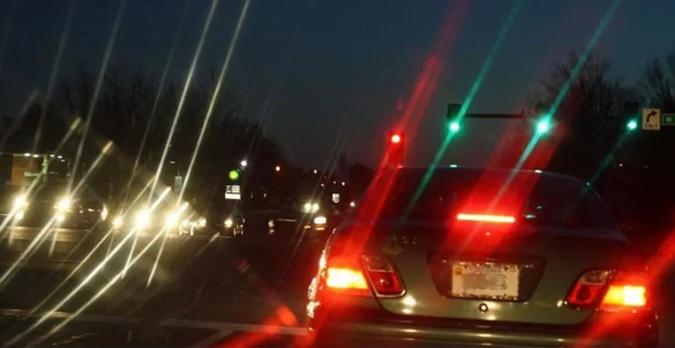
Astigmatism: Distorted vision and blurry outlines?
Whether near or far, astigmatism is unforgiving: details appear warped. Find out why your cornea isn't perfectly spherical and how the right lenses can "straighten out" your world.
Understanding astigmatism
Presbyopia: Aging with style.
After age 40-45, your arms suddenly seem "too short" for reading. It's a natural process: discover how multifocal lenses can give you back fluid vision at every distance.
Solutions for presbyopia