Philipp Plein
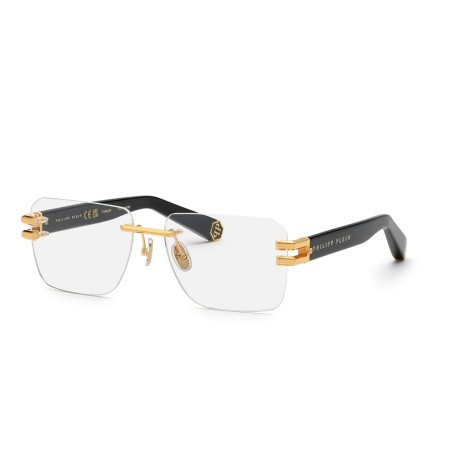

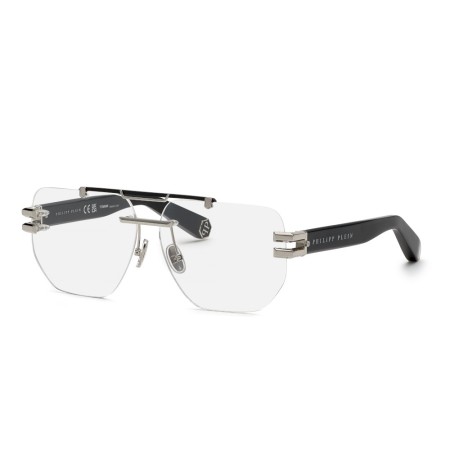


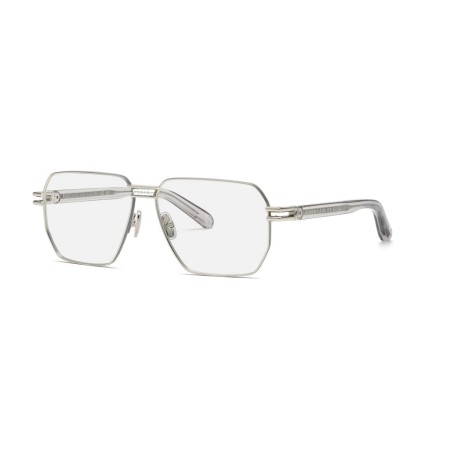
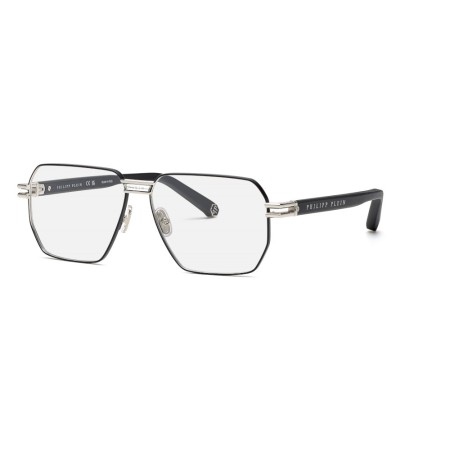

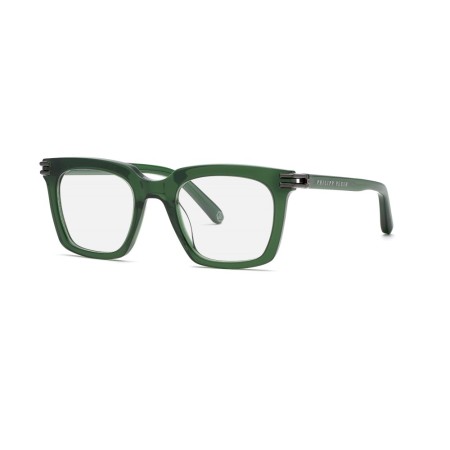

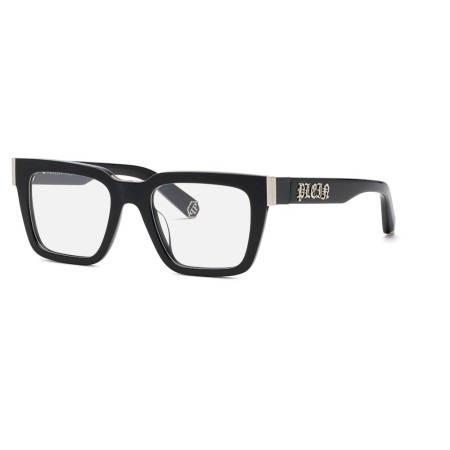
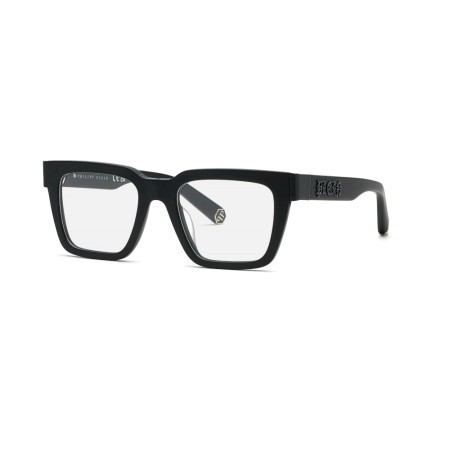
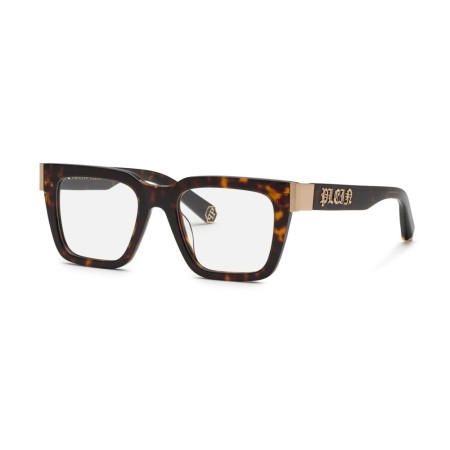
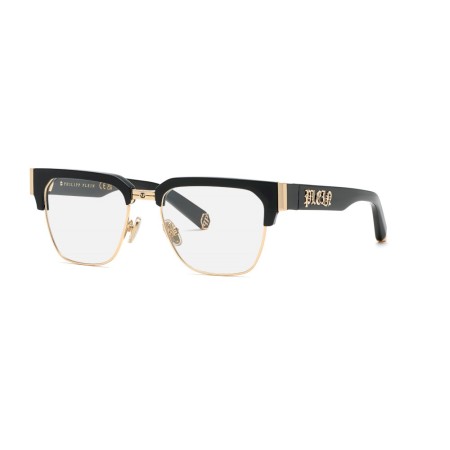


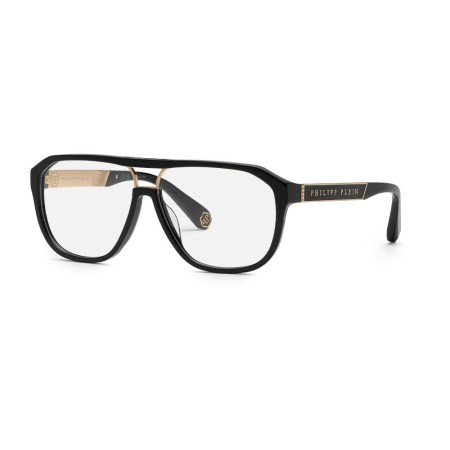
Philipp Plein Prescription Glasses
Philipp Plein prescription glasses bring a declared, aggressive, and immediately recognizable aesthetic vision to the eyewear category. The prescription lenses are integrated into frames that don't seek neutral balance, but strong visual presence. These are glasses designed for those who have no intention of going unnoticed, even when simply reading an email they could easily ignore.
Brand Characteristics and Identity
Philipp Plein applies the same logic to the eyewear world as it does to fashion: impact, contrast, recognizability. The prescription frames are built around decisive lines, structured volumes, and aesthetic details that become a central part of the design, not mere finishes. Functionally, prescription lenses are integrated into fronts designed to ensure stability and visual centering. The structure is designed to withstand daily use without sacrificing optical performance, even though the primary goal remains clearly aesthetic. In other words: they look at you first, then you wonder if you see well.
Materials and Construction: Presence Over Lightness
Philipp Plein prescription frames use materials such as thick acetate, worked metal, and hybrid combinations that aim to create a sensation of visual and physical solidity. Perceived weight is not a side effect to be corrected, but part of the product's identity. Acetate is often sculpted into substantial shapes, with thicknesses that give structure to the face and enhance stage presence. Metal versions introduce more technical contrasts but always maintain a strong decorative component, often enriched by prominent logos and metallic details. Comfort is not absent, but it's not the protagonist. It's more of a minimum necessary condition than a central design objective. The idea is to hold up well throughout the day, but above all, to be noticed while going through it.
Frame Shape and Visual Impact
The shapes of Philipp Plein prescription glasses do not seek discretion. Squared and oversized frames amplify the face's presence, creating a strong definition of features. This type of geometry also tends to offer good lateral visual width, but the focus remains aesthetic. More enveloping or slightly geometric shapes add dynamism to the design, while always maintaining a sense of a “declared object,” never neutral. Even the more understated versions retain details that break neutrality, such as metallic inserts or visible logos. Functionally, a wider frame can help in managing prescription lenses over wider visual fields, but in Philipp Plein's case, this benefit is almost a side effect of a broader aesthetic choice.
Comfort and Daily Use
Philipp Plein prescription glasses are designed for everyday wear, but with a clear lifestyle imprint. In urban and social environments, the frame becomes a strong element of visual communication, rather than a simple optical support. During prolonged use, the weight and more substantial structure are felt more compared to ultra-light models. This is part of the compromise: more visual presence, less ergonomic invisibility. In creative or informal work settings, the aesthetic impact is consistent with the brand's identity. In more neutral or technical environments, however, the glasses remain a dominant element on the face, difficult to ignore.
Style and Aesthetic Language
Philipp Plein does not interpret prescription eyewear as a discreet tool, but as an identity accessory. The aesthetic language is made of strong contrasts, metallic details, prominent logos, and lines that seek no mediation. It's a style that immediately communicates a precise choice: visibility, recognizability, and aesthetic declaration. There is no desire to blend into the context, but to emerge from it. In this sense, the frame does not simply complete an outfit: it defines it. And it does so without asking permission.
Prescription Lenses and Visual Functionality
Philipp Plein frames are compatible with custom prescription lenses, single vision or progressive, integrated to ensure sharp and stable vision. Visual quality depends on correct centering and the pairing of the lens with the front geometry. Even with anti-reflective treatments and solutions for digital use, the priority remains maintaining good visual readability in daily life. The more pronounced structure of the frame can slightly influence peripheral perception, but in return, it offers a stable and defined visual presence.
Why Choose Philipp Plein for Prescription Eyewear
Choosing Philipp Plein prescription glasses means accepting that glasses are not a neutral element, but an active part of one's image. It's a choice consistent with a strong, urban, and declared aesthetic. It's not the type of frame you forget after wearing it. And it's not designed to do so either. It's designed to remain visible, consistent with a style that prefers presence over discretion. In a market full of glasses that try to disappear, Philipp Plein does the exact opposite. And it does so with a certain elegant stubbornness, even if it would never admit to calling it that.