Ray-Ban
-
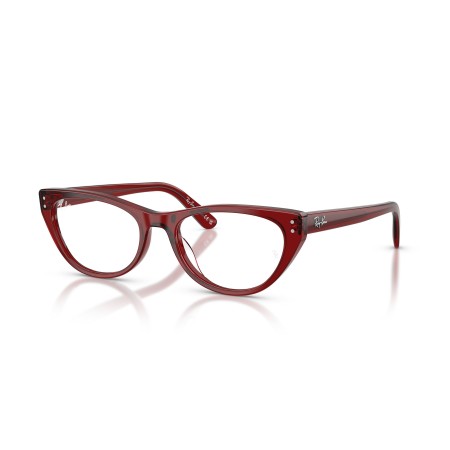 Ray-BanRX 5449D 8464
Special Price €89.60
Regular Price: €163.00
-
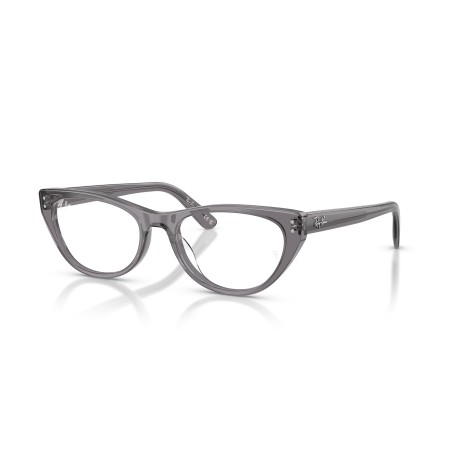 Ray-BanRX 5449D 8268
Special Price €89.60
Regular Price: €163.00
-
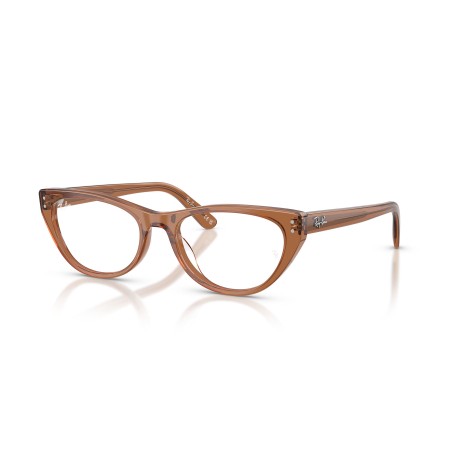 Ray-BanRX 5449D 8201
Special Price €89.60
Regular Price: €163.00
-
 Ray-BanRX 5449D 2000
Special Price €89.60
Regular Price: €163.00
-
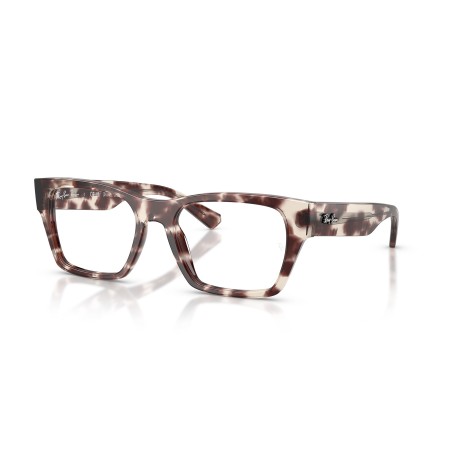 Ray-BanRX 5448 8461
Special Price €111.10
Regular Price: €202.00
-
 Ray-BanRX 5448 8460
Special Price €111.10
Regular Price: €202.00
-
 Ray-BanRX 5448 8458
Special Price €111.10
Regular Price: €202.00
-
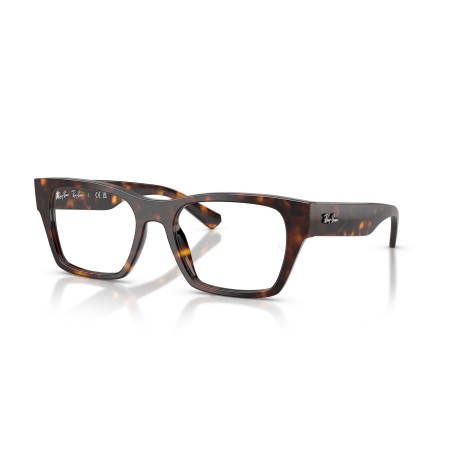 Ray-BanRX 5448 2012
Special Price €83.60
Regular Price: €152.00
-
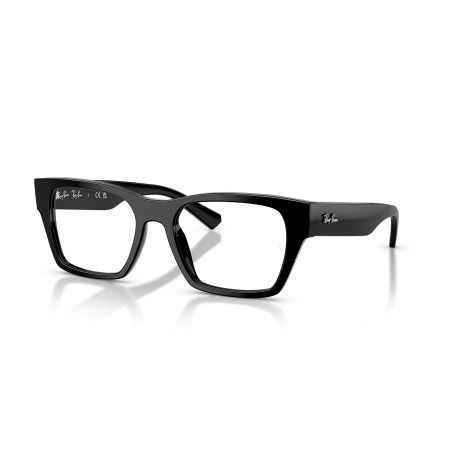 Ray-BanRX 5448 2000
Special Price €83.60
Regular Price: €152.00
-
 Ray-BanRX 5447 8461
Special Price €111.10
Regular Price: €202.00
-
 Ray-BanRX 5447 8459
Special Price €111.10
Regular Price: €202.00
-
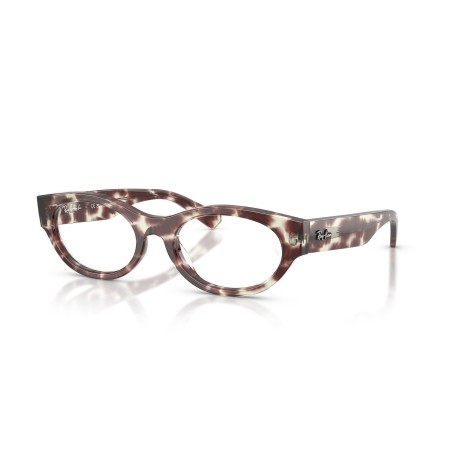 Ray-BanRX 5447 8458
Special Price €111.10
Regular Price: €202.00
-
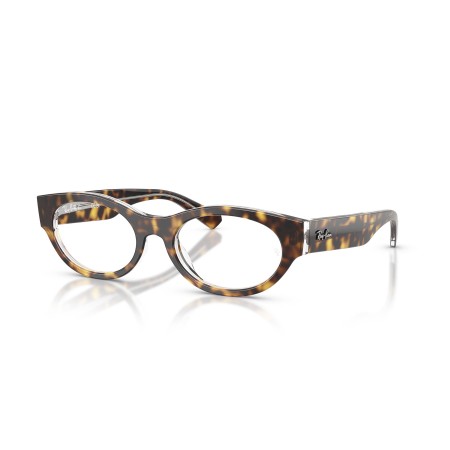 Ray-BanRX 5447 5082
Special Price €83.60
Regular Price: €152.00
-
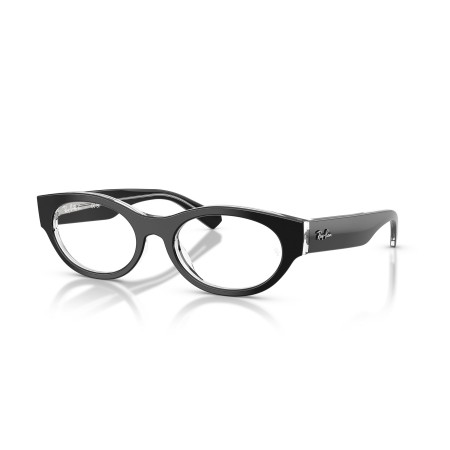 Ray-BanRX 5447 2034
Special Price €83.60
Regular Price: €152.00
-
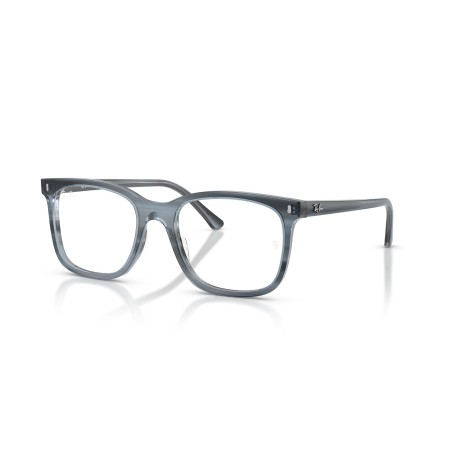 Ray-BanRX 5446 8456
Special Price €79.70
Regular Price: €145.00
-
 Ray-BanRX 5446 8455
Special Price €79.70
Regular Price: €145.00
-
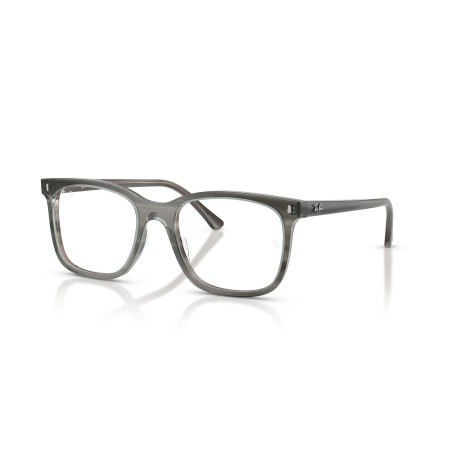 Ray-BanRX 5446 8453
Special Price €79.70
Regular Price: €145.00
-
 Ray-BanRX 5446 2012
Special Price €79.70
Regular Price: €145.00
-
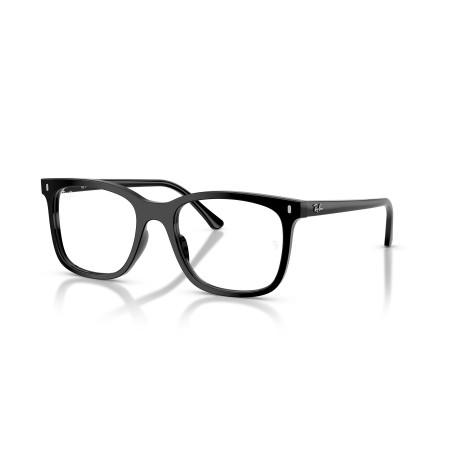 Ray-BanRX 5446 2000
Special Price €79.70
Regular Price: €145.00
-
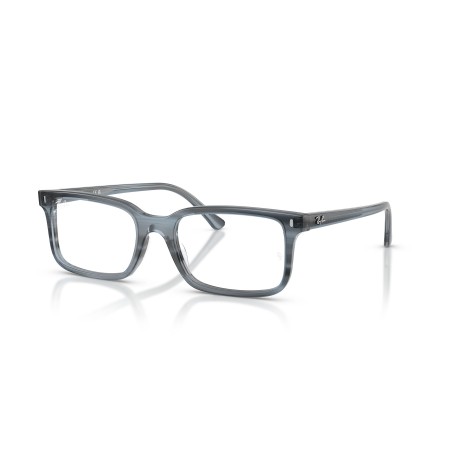 Ray-BanRX 5445 8456
Special Price €79.70
Regular Price: €145.00
-
 Ray-BanRX 5445 8454
Special Price €79.70
Regular Price: €145.00
-
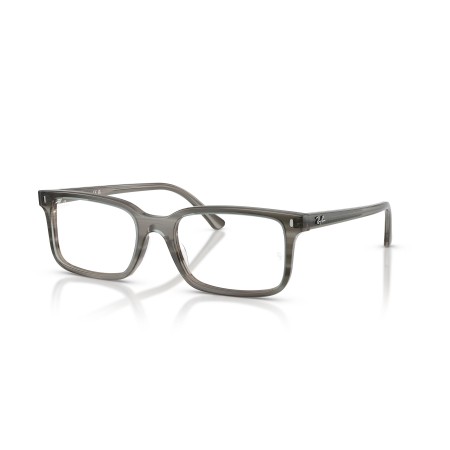 Ray-BanRX 5445 8453
Special Price €79.70
Regular Price: €145.00
-
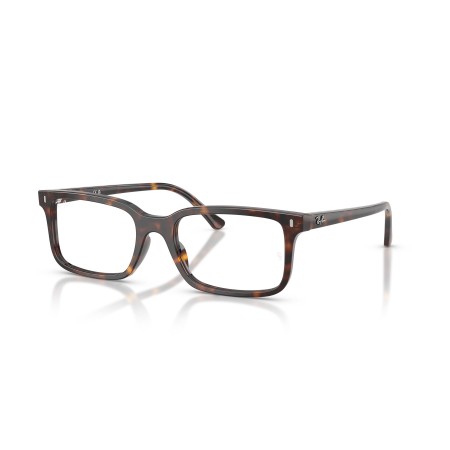 Ray-BanRX 5445 2012
Special Price €79.70
Regular Price: €145.00
-
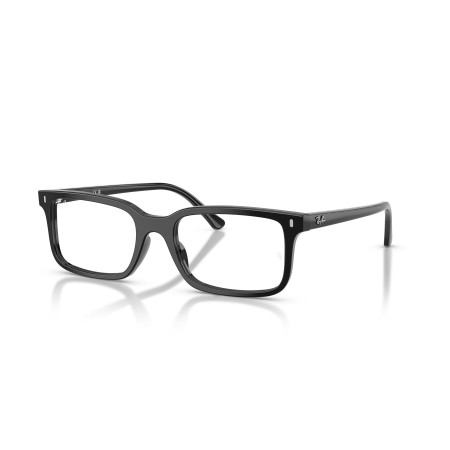 Ray-BanRX 5445 2000
Special Price €79.70
Regular Price: €145.00
Ray-Ban Prescription Glasses
Ray-Ban prescription glasses translate the brand's iconic identity into a collection designed for everyday use with custom prescription lenses. The frames retain the bold character that has made Ray-Ban a benchmark in eyewear, but are built to ensure optical stability, prolonged comfort, and compatibility with various types of vision correction. Not just recognizable aesthetics, but a structure suited for real, everyday vision.
Structural Features and Prescription Lens Compatibility
The Ray-Ban prescription collection features full acetate fronts, slim metal structures, and combined configurations. Acetate frames, often inspired by iconic models like Wayfarer or Clubmaster in their optical versions, offer greater thickness and thus better support for medium-to-high prescription lenses. This means improved lateral stability and less perceived flexing during prolonged use. Metal versions, such as the Round or Pilot reinterpretations for prescription use, prioritize lightness and reduced visual bulk. They are particularly suitable for those who desire a more discreet presence on the face or use lenses with minimal thickness. Hybrid structures combine a solid front with slim temples, balancing robustness and lightness for continuous use in dynamic environments.
Differences Between Shapes and Real Visual Impact
Rectangular and square shapes define the face and offer a stable horizontal field of vision, useful for prolonged activities in front of screens and computer work. Round or pantos silhouettes soften features and promote even weight distribution, proving comfortable even with progressive lenses. Wider frames ensure a larger visual area, an important aspect for those using multifocal lenses or needing an extended reading zone. More compact models, on the other hand, reduce the aesthetic impact and easily integrate into formal professional settings.
Comfort and Stability in Daily Use
Ray-Ban prescription glasses are not intended as occasional accessories, but as stable elements on the face for many consecutive hours. The balance between the bridge, temples, and front directly affects visual posture: a well-centered frame reduces compensatory micro-movements and improves focus continuity. Acetate versions offer a greater sense of structure, useful for those who desire a firm fit. Metal, conversely, ensures perceived lightness, ideal for those who wear glasses throughout the workday. The choice of material therefore impacts not only aesthetics but also the feeling of fatigue at the end of the day.
Style: Heritage vs. Contemporary Minimalism
Within the collection, two main styles coexist:
- Heritage models, with thick fronts, Havana or solid black tones, and a more pronounced visual identity
- Slimmer, minimalist lines, in metal or lightweight acetate, designed for those seeking discretion and versatility
This dual direction allows for a choice between a more assertive presence and a more understated one, maintaining consistency with personal image and the context of use, from formal work to urban daily life.
Concrete Selection Criteria
To select the most suitable Ray-Ban prescription model, it is useful to consider:
type of lens needed (single vision, progressive, medium-high prescription)
number of hours of daily use
primary context of use (office, urban mobility, study)
preference between a fuller structure or visual lightness
A more structured frame favors stability with thick lenses. A slim structure reduces perceived weight but requires contained prescriptions to maintain aesthetic balance. The goal is not just to find an iconic model, but to choose a configuration that maintains consistent visual quality throughout the day.
Positioning in the Eyewear Landscape
Ray-Ban prescription glasses stand out for stylistic continuity and immediate recognizability, but their real strength lies in adaptability. Integration with custom prescription lenses allows for the transformation of an iconic design into a functional optical tool, suitable for diverse visual needs without sacrificing identity and aesthetic coherence.