Lens Care and Maintenance: How to Make Them Last Forever
You have chosen the best lenses on the market; now make sure they stay as perfect as the day you bought them. Proper cleaning doesn't just help you see better; it preserves the integrity of the anti-reflective and scratch-resistant coatings that make your glasses special. In this guide, Ottica IT experts reveal the secrets and mistakes to avoid to keep your lenses clear, transparent, and scratch-free for years.
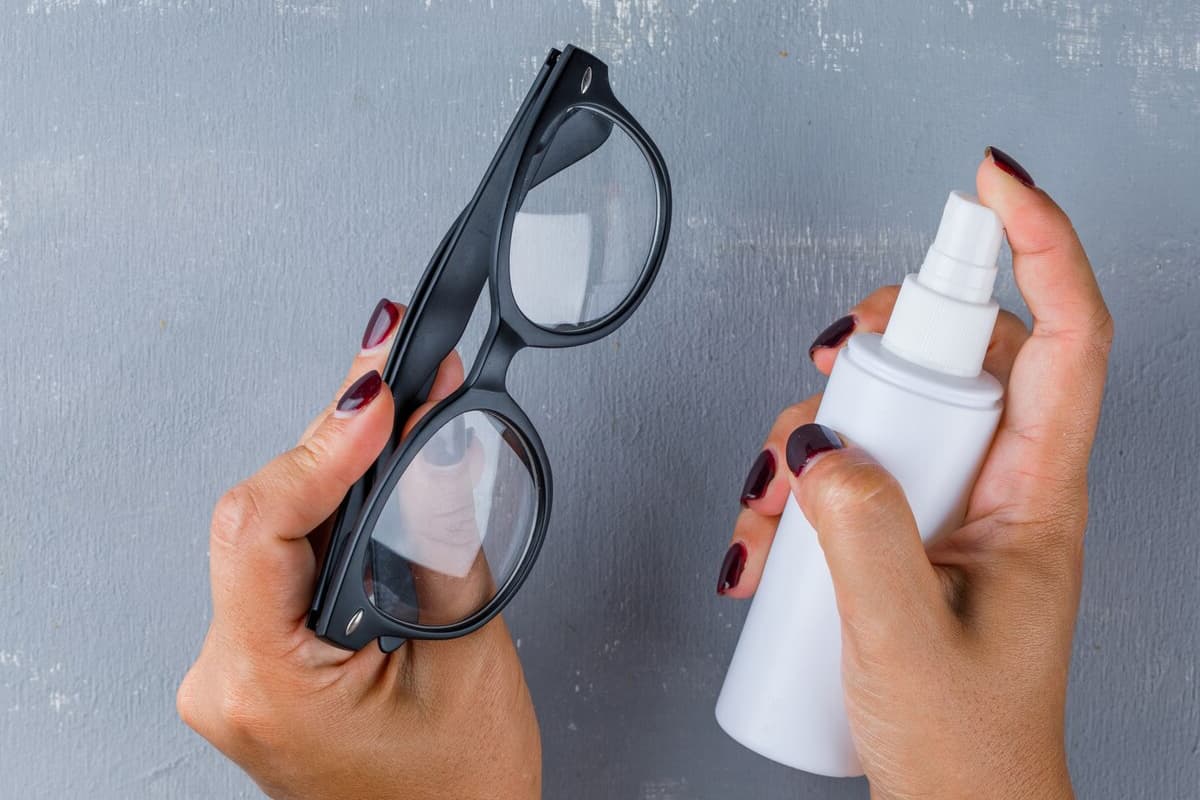
The Correct Way to Clean: More Than Just a Quick Wipe
There is a correct way to clean glasses without creating invisible micro-abrasions that, over time, cloud your vision:
- The hydrating wash: Before rubbing, always rinse the lenses with lukewarm water. This removes grains of dust or sand that could act like sandpaper if dragged across the lens surface.
- The right detergent: Use a neutral soap or a specific lens spray. Absolutely avoid aggressive dish soaps or soaps containing lotions, which can leave oily residues or damage chemical coatings.
- Gentle drying: Only use clean microfiber cloths or lint-free cotton wipes. Avoid toilet paper, paper towels, or worse, the edge of your clothing (which contains hard fibers).
Mistakes to Avoid
Much of the damage to lenses is caused by habits that seem harmless. Here is what you should never do:
- Thermal shock: Never leave your glasses on the car dashboard in summer or near heat sources (like a hairdryer). High temperatures can "bake" the anti-reflective coatings, creating micro-cracks similar to a spider web.
- Chemical products: Alcohol, acetone, or universal degreasers are enemies of modern lenses. These solvents can literally dissolve protective filters and ruin acetate or polycarbonate frames.
- "Dry" cleaning: Rubbing a dusty lens without wetting it first is the fastest way to scratch it. Even the softest cloth can scratch if microscopic debris is trapped between it and the lens.

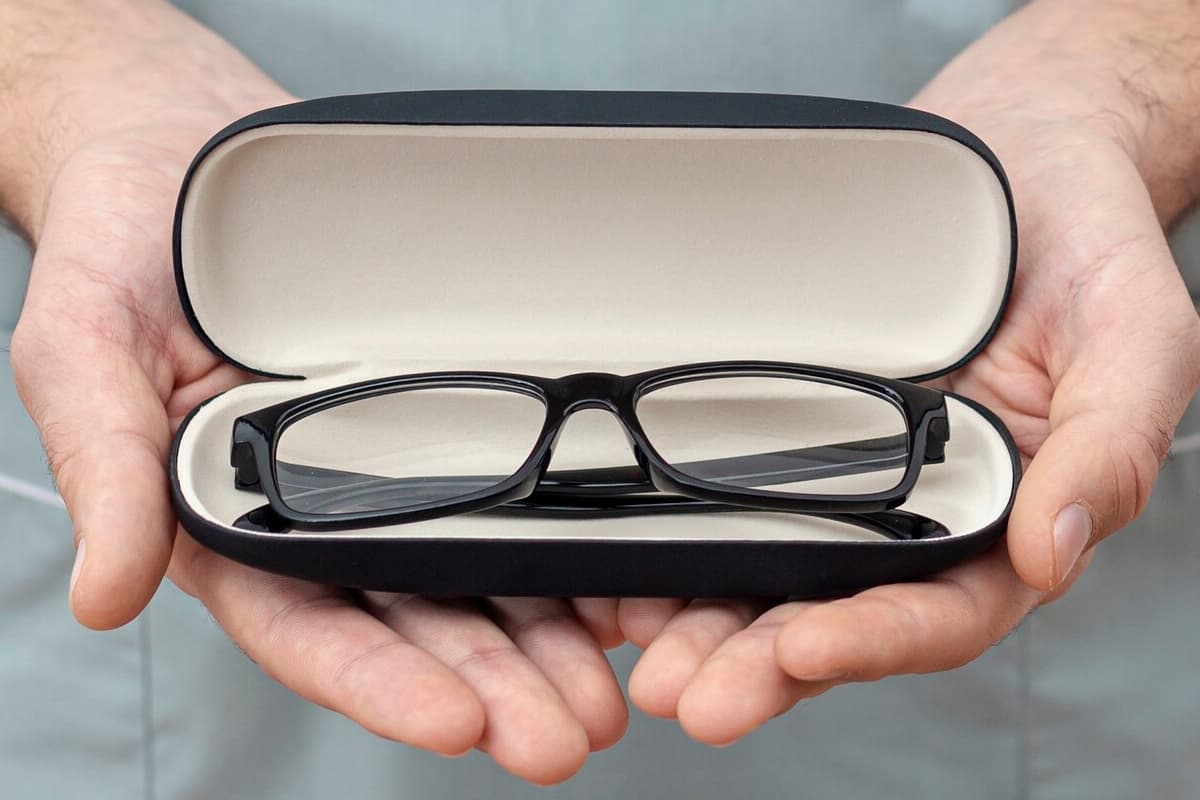
Tips for Safe Storage
- The "two-hand" rule: Always put on and take off your glasses using both hands. This prevents excessive bending of the frame, maintaining the optical alignment of the lenses with your eyes.
- Never "face down": It seems obvious, but placing glasses with the lenses in contact with surfaces is the leading cause of central scratches. If you don't have a case, always place them open with the temples facing down.
- The role of the case: When not in use, glasses should be kept in their hard case. In addition to protecting them from impacts, the case prevents atmospheric dust from settling and depositing abrasive particles.